Kazakhstan

Kazakhstan, the largest landlocked country in the world, is a land of extremes. From endless steppes to the snow-covered peaks of the Ala Tau mountains. Discover the modern capital Astana and taste the rich Kazakh cuisine.

A vast country with many rivals

Introduction & Practical Information

Kazakhstan is the largest landlocked country in the world. With its vast steppes, it is nestled between the great powers of Russia and China. After centuries of foreign domination, the Kazakhs finally have an own independent territory. Yet, recent history shows how challenging it is to manage this autonomy. For example, the move of the capital from Almaty to Astana (briefly called Nur-Sultan) and the change of the alphabet to Latin are good examples of this. But interestingly, you hardly notice it yet.

“Kazakhstan is a gigantic country. After 20 years in Almaty, I’m still discovering new places. The southern Ala Tau mountains are especially well-known for mountain tourism. Together with Maksat and Peter from Ryce Travel, we developed the first Ski Adventure trip to Kazakhstan in 2016. I initially thought that Western tourists would prefer staying in a modern chalet in the ski area. But soon, through Ryce Travel, I realized that many of their travelers actually want to experience the culture. That’s why we stay in the city in small-scale accommodations. It makes me proud to be able to show tourists a piece of Kazakhstan every time. The country has so much to offer.”

Ruslan Asanaliyev

Ruslan Asanaliyev

Manager Ryce Travel Kazakhstan
Charyn-vallei-Kazachstan
Nursultan

Discover Kazakhstan

Kazakhstan Hub

Geography

Kazakhstan as a hub between two continents

Kazakhstan lies on the geographic border of Europe and Asia. Near the city of Atyrau, the two continents meet. Although it symbolizes the border between Europe and Asia, this border is not officially defined anywhere. What is certain, however, is that Kazakhstan increasingly positions itself as a hub between the continents. For instance, a major logistics hub was built in Khorgos for goods moving from China to Europe, and in recent years the country’s infrastructure has improved drastically.

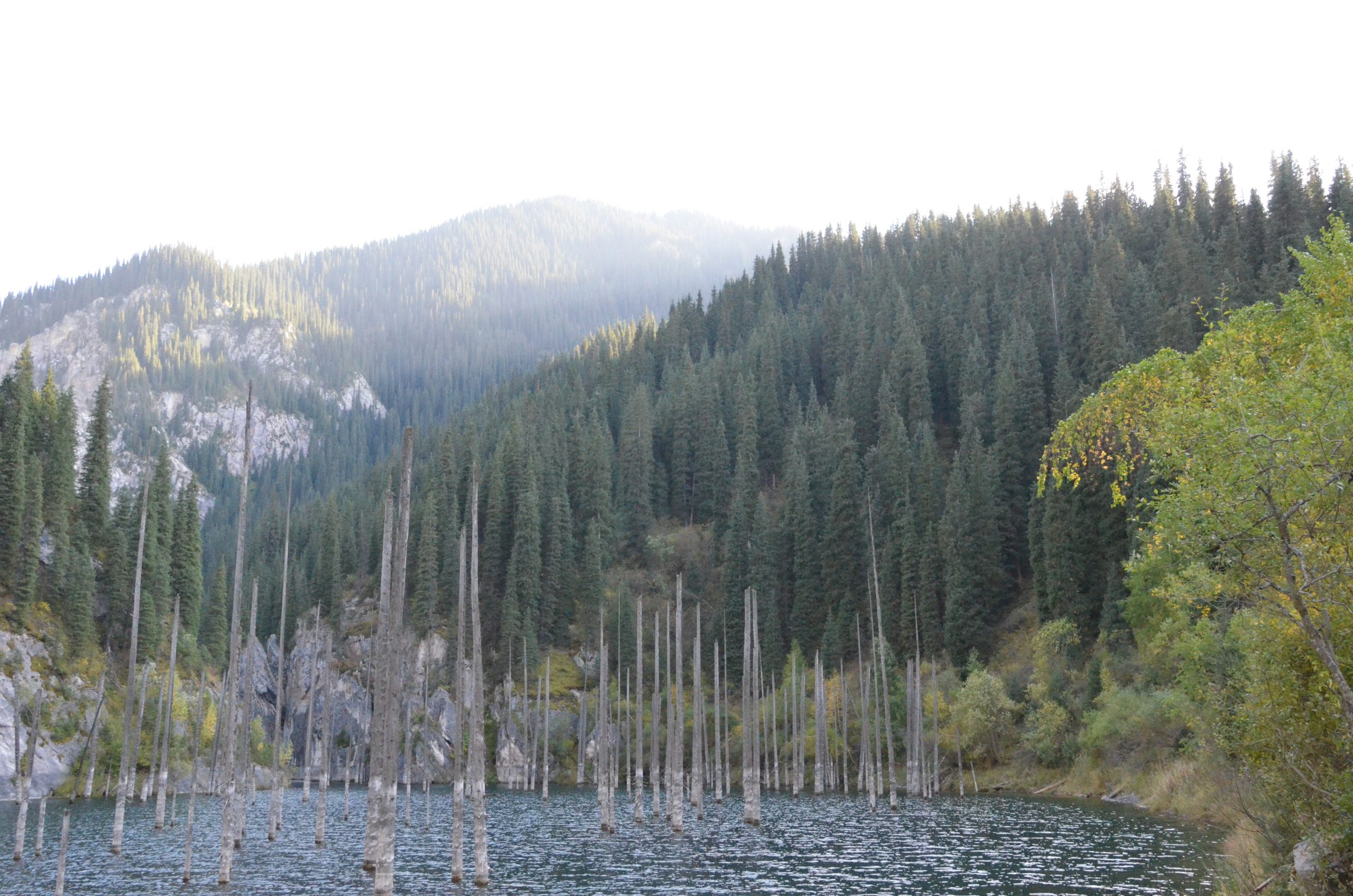
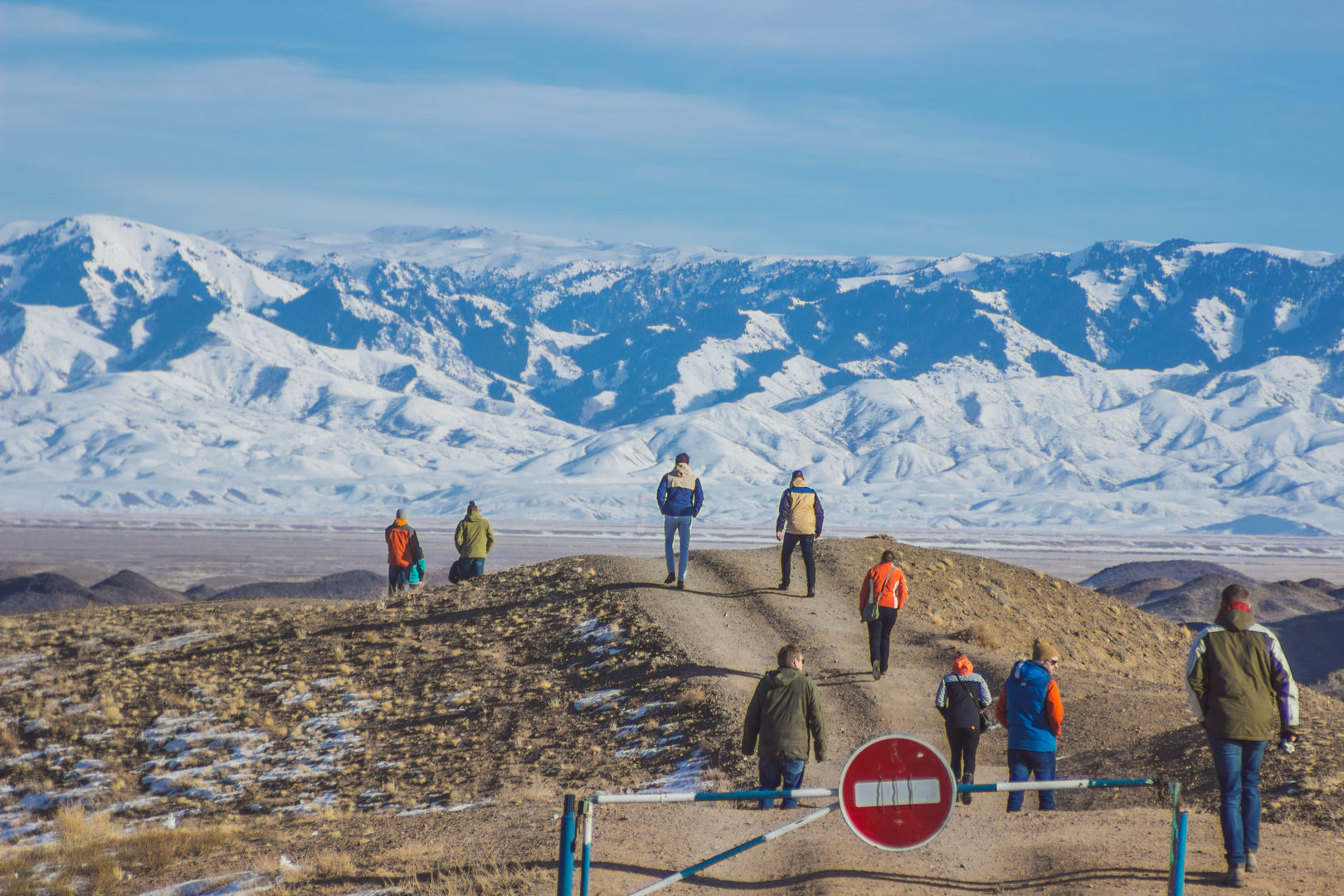
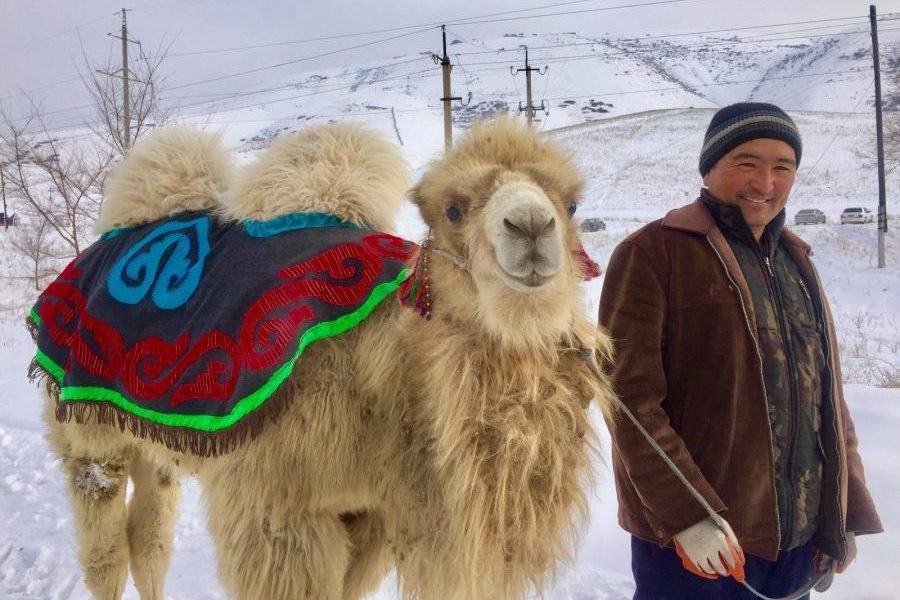
Most of Kazakhstan consists of vast steppes where little can be found besides grass, pipelines, rough roads, and the occasional camel. Many inhabitants still live traditionally, relying on livestock farming or even dwelling in traditional yurts. In the east and south, the land becomes more mountainous. This is also where (literally) the country’s natural highlights are located. The highest point in Kazakhstan is the tip of the Khan Tengri, reaching 7,010 meters. Almaty lies beautifully situated north of the Ala Tau mountains, while the Altai mountains mark the eastern border with China and Russia. Fun fact: zoom in on Google Maps, and you’ll see Kazakhstan almost, but not quite, touches Mongolia.

Weather Kazakhstan

Climate

The land of extreme temperatures

With no access to an ocean or sea, Kazakhstan has a distinctly continental climate. It truly is a land of extremes. Winters can be bitterly cold, especially on the northern steppes. In contrast, summers are scorching hot. The far south, around Lake Kapchagai and Lake Issyk-Kul (in Kyrgyzstan), has a milder climate. Also, especially in winter, significantly more snow falls here. The coast of the Caspian Sea is enormously windy and bleak. This is unfortunately due to the extraction of oil and gas.

Kazachstan People

The population

A nation of nomads

The Kazakhs are originally a Turkic nomadic people. having fled the Altai region, these people escaped from the Mongol invasions. Due to the cruelty of the Mongols, some tribes were pushed as far as the Balkans. Fortunately, Kazakhs also stayed. Ethnic Kazakhs are closely related to the Kyrgyz, and for a long time they were even considered one people. Russian and Soviet domination created a large Russian-speaking minority. As one of the official languages, Russain is especially spoken in the major cities of Almaty and Nur-sultan. Former president Nursultan Nazarbayev (1991–2019) introduced policies to reduce Russian influence. For example, he moved the capital from Almaty to Astana (renamed Nur-Sultan in 2019 after himself) and changing the alphabet from Cyrillic to Latin. Yet, in daily life, these shifts are still barely noticeable.

Tanker Kazakhstan

Economy

Black gold and tourism

Kazakhstan’s economy is largely driven by oil and gas extraction. Beneath the basin of the Caspian Sea lie vast deposits of “black gold”. In 2018, nearly 80% of Kazakh exports were oil- or gas-related. This wealth financed the futuristic new capital Nur-Sultan and funded major investments in modernizing the country. Kazakhstan has made a number of multi-year plans to ensure that Kazakhstan will reach it’s intended goal. Current policy focuses on becoming an important link for overland transport from Asia to Europe. With new roads and railways, travel times between China and Europe can be cut significantly compared to sea transport.

Agriculture, livestock, and trade are becoming increasingly important sectors, and the abolition of visa requirements for many European and American countries in 2015 was a key step in boosting tourism. We of course hope to do our part in this!

For a long time, tourism played a limited role in the life of Kazakhs. The tourists who came were mainly from the countries of the former Soviet Union. They did not need a visa. Since the visa reforms, arrivals have increased sharply. Most tourists head south, where the mountains, milder climate, and stronger economy create the best conditions. In recent years, Kazakhstan has made notable progress in winter sports. For example, roads and hiking trails have been improved, and Almaty gained international exposure by hosting the 2017 Winter Universiade.

Our Popular Tours

Lauren

Ski Adventure Kazakhstan

Your next adventure takes you to Kazakhstan, one of the most surprising and underrated winter destinations in the world. Over the course of a week in the Almaty region, you’ll experience a dynamic mix of modern ski infrastructure, untouched landscapes,

Lees verder »
Cat Ski Kazakhstan
Peter

Cat Ski Kazakhstan

In the eastern Altai region of Kazakhstan lies a remote wilderness waiting to be discovered. Here, in the foothills of Siberia, temperatures can drop far below freezing. So don’t expect gondolas, après-ski bars, or revolving restaurants. This is raw, back-to-nature
Lees verder »
Peter

Ski Safari Kazakhstan

Going on a Ski Safari in the south of Kazakhstan? That means that you will spend a week in the metropolis of Almaty and that you will experience the largest ski areas of the country. Of course it’s gonna be

Lees verder »